













Datacenter
A datacenter without structure quickly becomes inefficient and hard to manage. With a well-designed datacenter setup, you gain control, reliability and room to grow. The result: fewer issues, easier maintenance and predictable scalability. Read more
What is a datacenter?
A datacenter is a dedicated environment where servers, network equipment and cabling are housed in a controlled and structured way. Everything is focused on uptime, airflow management and long-term reliability.
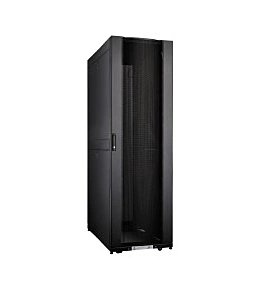
The foundation of a datacenter consists of 19-inch datacenter racks, installed in fixed rows. This layout supports consistent airflow, clear cable routing and efficient access for maintenance. Side panels are only used on the first and last rack in a row, allowing proper air circulation and easy expansion.
Most datacenter problems are not caused by hardware failures, but by poor physical design. A properly planned datacenter prevents heat buildup, cable congestion and costly rework later on.
How do you design a practical datacenter layout?
A good datacenter design starts with planning ahead. Besides current equipment, future expansion must be taken into account. Leaving space and maintaining consistency keeps the infrastructure flexible.
Key design principles include:
- fixed rack rows with identical dimensions
- clear separation of cold and hot airflow
- predefined routes for power and data cables
- reserved capacity for future growth
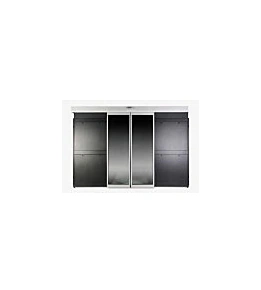
Datacenter accessories such as sliding doors, roof panels and floor sealing help to control airflow and to reduce energy loss.
Which components do you need for a complete datacenter?
Servers and network devices without 19-inch mounting, can be placed on 19 inch shelves. For installation, expansion and finishing, matching server rack accessories are essential. For reliable network connections choose high-quality UTP cabling to ensure stable and high-speed performance.
When these components work together, a datacenter become easy to maintain and reliable in daily operation.
How do you avoid issues during expansion?
A common mistake is filling every rack to maximum capacity from the start. By leaving room for additional equipment and using fixed cable paths, future upgrades remain manageable and downtime is minimized.
Expert tip: Plan service aisles as carefully as rack rowsWhen designing a data center, the focus is often on rack density and cooling capacity. Do not overlook the importance of properly planned service aisles.
Make sure aisles and working areas allow:
A data center only works efficiently if hardware can be serviced without improvisation. Proper service aisle planning reduces downtime and significantly improves operational reliability. |
Buy a datacenter at Serverrack24.com